
What Is SOX Compliance? A Practical Guide for Businesses
Companies that handle financial reporting—especially publicly traded companies—must follow strict regulations designed to prevent fraud and ensure transparency. One of the most important of these regulations is SOX compliance, short for the Sarbanes-Oxley Act.
But what exactly is SOX compliance, and what does it mean for your organization?
This guide explains what SOX compliance is, why it matters, and the key steps businesses take to become compliant.
What Is SOX Compliance?
SOX compliance refers to adhering to the rules established in the Sarbanes-Oxley Act of 2002, a U.S. federal law created to protect investors by improving the accuracy and reliability of corporate financial disclosures.
The law was introduced after major accounting scandals involving companies such as Enron and WorldCom exposed serious weaknesses in corporate financial oversight.
SOX requires organizations to implement strict internal controls over financial reporting and maintain accurate, auditable financial records.
The primary goal is simple: ensure financial statements are trustworthy and prevent corporate fraud.
Why SOX Compliance Matters
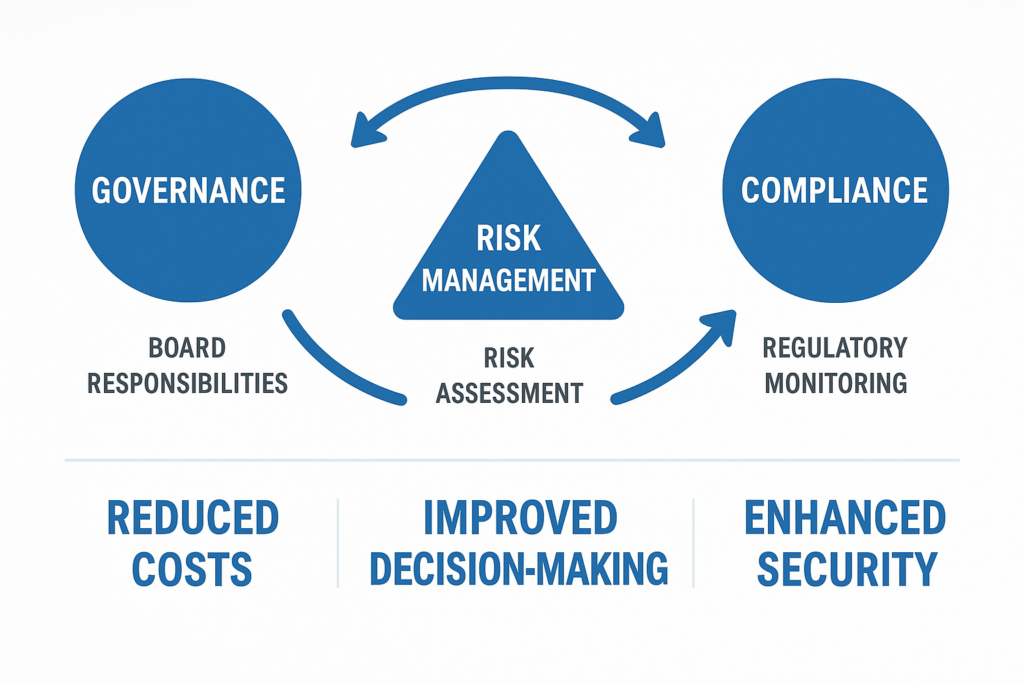
SOX compliance is not just a legal requirement for public companies—it is also a framework for building stronger financial governance.
- Improved financial transparency
- Reduced risk of fraud
- Better internal controls
- Increased investor confidence
- Stronger cybersecurity and data protection
Failure to comply can result in significant penalties, including fines and potential criminal liability for executives.
Key SOX Compliance Requirements
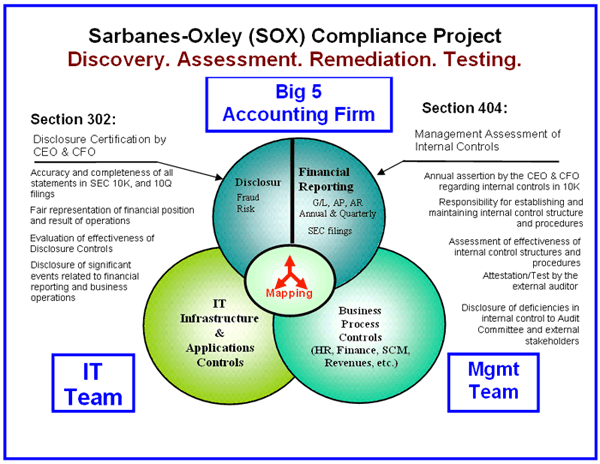
Although the Sarbanes-Oxley Act contains multiple sections, two are particularly important for most organizations: Section 302 and Section 404.
Section 302 – Executive Responsibility
Section 302 requires CEOs and CFOs to personally certify the accuracy of financial reports.
Executives must confirm:
- Financial statements are accurate
- Internal controls are properly designed
- Material weaknesses are disclosed
- Any fraudulent activity is reported
This creates direct accountability for company leadership.
Section 404 – Internal Controls
Section 404 requires companies to establish and maintain Internal Controls Over Financial Reporting (ICFR).
Organizations must:
- Document financial processes
- Implement control procedures
- Test internal controls regularly
- Undergo independent external audits
Section 404 is often the most complex and resource-intensive part of SOX compliance.
The Role of Technology in SOX Compliance
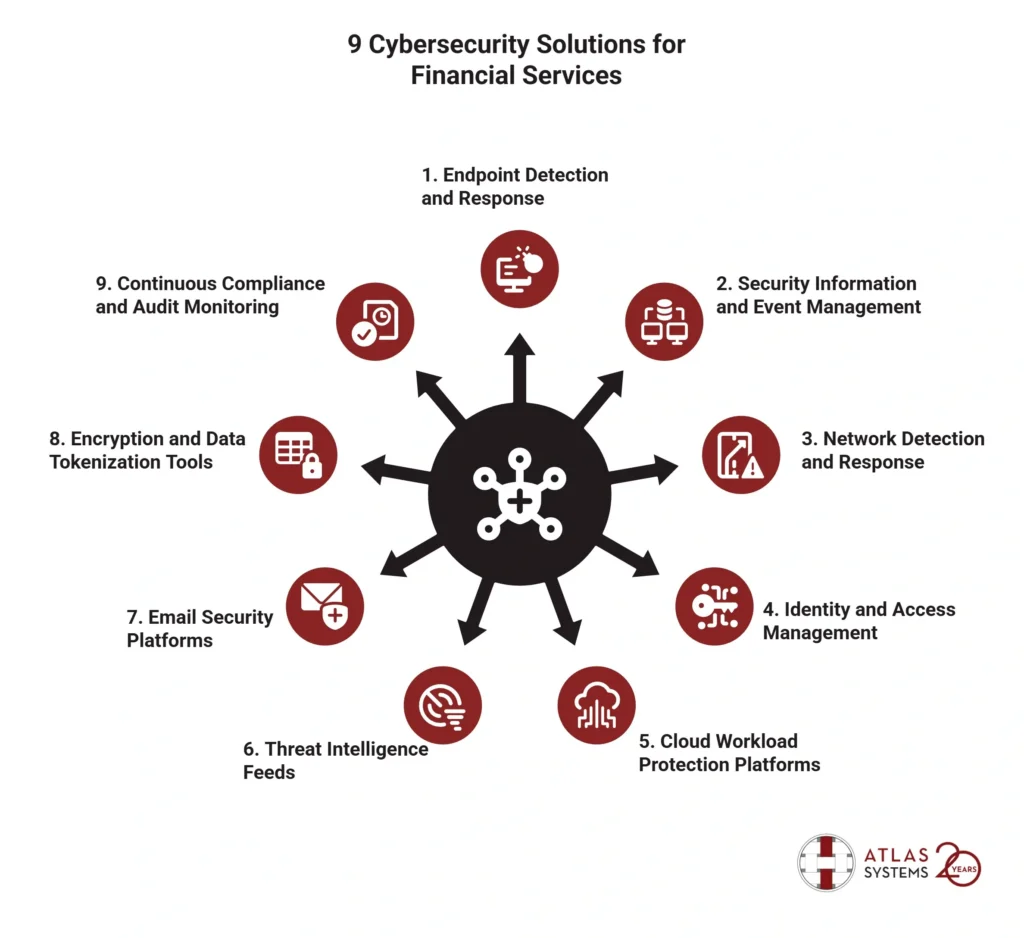
Modern organizations rely heavily on IT infrastructure to maintain compliance and protect financial data.
Key technology controls include:
- Role-based access control
- Audit logging and monitoring
- Secure data storage
- Backup and disaster recovery systems
- Change management tracking
Properly designed systems help ensure that financial data remains secure, traceable, and auditable.
Steps to Become SOX Compliant
1. Identify Financial Systems
Determine which systems store or process financial data, such as:
- Accounting systems
- ERP platforms
- Financial databases
- Reporting tools
2. Document Internal Processes
Organizations must clearly document how financial data flows through their systems and who has access to it.

3. Implement Security Controls
Security controls protect financial data from unauthorized access.
- Role-based permissions
- Multi-factor authentication
- Access logging
- Data integrity protections
4. Test Internal Controls
Internal teams and auditors regularly test whether controls are working properly.
5. Conduct External Audits
Independent auditors review the company’s internal control framework to verify compliance.
Common SOX Compliance Challenges
Organizations frequently encounter challenges such as:
- Poor documentation of financial processes
- Weak access control policies
- Lack of system audit logs
- Inconsistent change management procedures
Technology consulting and properly designed systems can significantly reduce these risks.
Final Thoughts
SOX compliance is about more than meeting regulatory requirements. It helps organizations create transparent financial processes, improve internal governance, and strengthen investor confidence.
Companies that implement strong internal controls and modern technology systems often find that compliance also improves operational efficiency and security.
Need Help Implementing SOX-Ready Systems?
If your organization needs help implementing secure systems, internal controls, or audit-ready infrastructure, our consulting team can help design and implement solutions that support regulatory compliance.